Biodiversity
At Farnham Town Council, we are committed to protecting and enhancing biodiversity across our town. We recognise that a thriving natural environment is essential not only for wildlife, but also for the wellbeing of our community. By safeguarding habitats, improving green spaces, and supporting local conservation efforts, we aim to create a richer, more resilient ecosystem for present and future generations.
Understanding Habitats and Species Needs
Biodiversity depends on a wide range of habitats, each supporting different species. Butterflies, for example, are particularly sensitive indicators of environmental health because their life cycles depend on specific conditions. Every species of butterfly requires a unique combination of factors to survive, including:
- The right food plant for caterpillars
- Reliable sources of nectar for adult butterflies
- Suitable conditions for breeding, shelter, and overwintering
Some species are highly adaptable and can thrive in gardens, parks, and other managed green spaces. These butterflies are able to feed on a variety of plants and tolerate a range of conditions. In contrast, specialist species are far more selective. They depend on particular plants and habitats—such as chalk grasslands, heathlands, or ancient woodlands—and cannot easily adapt to change.
The Importance of Protecting Specialist Species
Habitat specialists, including many butterflies and moths, are especially vulnerable to environmental change. Even small alterations to their habitats—such as changes in vegetation, soil conditions, or climate—can make an area unsuitable for breeding. As a result, these species can decline rapidly and, in some cases, disappear entirely.
Moths play a similarly vital role in local ecosystems. As pollinators and a key food source for birds, bats, and other wildlife, their presence supports the wider health of biodiversity. Like butterflies, many moth species rely on specific habitats and are increasingly at risk.
Challenges Facing Biodiversity
The decline of butterflies, moths, and other wildlife is largely driven by habitat loss and environmental pressures. Key factors include:
- Changes in land management – Intensive farming and forestry practices can reduce plant diversity and remove essential habitats.
- Urban development – The construction of roads, housing, and infrastructure fragments natural areas and limits wildlife movement.
- Climate change – Shifting temperatures and weather patterns can disrupt life cycles, alter habitats, and affect the availability of food sources.
- Pollution and pesticide use – These can harm insects directly and reduce the plants they depend on.
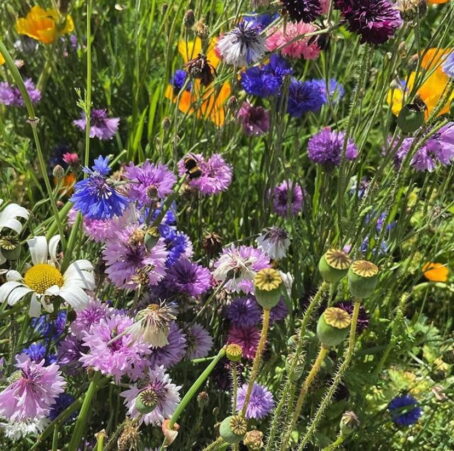
Farnham Town Council is actively working to support biodiversity through a range of initiatives, including the enhancement of green spaces with pollinator friendly planting, which will be maintained by the reduction of mowing to encourage natural growth.
To find out about the butterfly species we have in and around Farnham see below:
Holly Blue
Meadow Brown
Speckled Wood
Large White
Clouded Yellow*
Common Blue
Gatekeeper
Small Heath
Small White
Comma
Peacock
Small Copper
Brimstone
Ringlet
Marbled White
Painted Lady*
Small Skipper
Red Admiral
Orange-tip
Large Skipper
Essex Skipper
Small Tortoiseshell
*Butterflies that are migrants from Europe and may be seen dependent on prevailing winds. (2026 was a good year for the Painted Ladies).
How You Can Help:
Farnham residents can actively play a role in protecting our local biodiversity, with simple actions creating large benefits!
- Plant native flowers in your garden, you can pick up a bag of Wildflower Pollinator Seeds at your local squires. Sow between April/May or August/September for best results!
- Avoid using pesticides in your garden, read this article to find sustainable alternatives: 7 Plant-Based Pesticide Alternatives That Protect Gardens Naturally